
How to Convert Your Summer Internship Into a Full-Time Job in India
How to Convert Your Summer Internship Into a Full-Time Job in India — And Why Most Interns Miss This Chance
How to convert your summer internship into a full-time job in India is a question I wish more students asked me before their internship started — not after it ended. Here’s a number that should wake you up. Studies show that companies are nearly 3 times more likely to hire someone they’ve already worked with than a completely unknown candidate from outside.
Yet most interns spend their entire internship just completing tasks, staying quiet, and hoping someone notices them. That’s not how it works. In 27 years of working as an IT career consultant in India, I’ve seen bright, talented students walk out of great companies with nothing but a certificate — while their less technically gifted batchmates walked out with job offers.
The difference was never about marks or skills. It was always about behaviour, awareness, and intent.
Let me show you exactly what that looks like.
Why Converting Your Summer Internship Into a Full-Time Job in India Is Harder Than It Looks
Most students go into an internship thinking the work will speak for itself. It won’t. At least not on its own.
Companies don’t just hire people who do good work. They hire people they enjoy working with. People who fit the team. People who show up with energy, ask smart questions, and make the manager’s job slightly easier.
That’s the bar. It’s not just about your output. It’s about your presence.
And here’s the part nobody prepares you for — the decision to hire you full-time is usually made in the first three to four weeks. Not at the end. By the time your internship is wrapping up, most managers have already made up their mind. Which means the clock starts on day one, not day sixty.
Start Strong — The First Week Matters More Than You Think

I tell every student I mentor the same thing. Your first week is your trailer. It tells people what to expect from the full movie.
Come in early. Not just on time — early. Dress appropriately. Learn people’s names. Understand the team structure. Ask your manager in the very first week — “What does a successful internship look like to you?” That one question tells your manager three things. You care about doing well. You want clear expectations. And you’re already thinking about outcomes, not just tasks.
Most interns never ask that question. The ones who do are immediately remembered.
Also — observe more than you speak in the first week. Watch how decisions are made. Watch how people communicate with each other. Every office has its own culture and unwritten rules. The faster you understand those, the faster you fit in.
How to Convert Your Summer Internship Into a Full-Time Job in India by Building Real Relationships
This is the part most students completely ignore. They focus entirely on their work and treat the human side of the job as secondary. That’s a mistake.
Relationships inside a company are everything. Your manager’s recommendation carries more weight than your entire internship performance combined. And that recommendation is built on a relationship, not just output.
Here’s how to build it properly.
Have at least one genuine one-on-one conversation with your manager every week. It doesn’t have to be long. Five to ten minutes. Share what you’re working on, ask for feedback, and listen carefully to what they say. Don’t just nod — actually apply the feedback next time. When a manager sees that you listened and changed something based on what they told you, it builds trust faster than anything else.
Get to know your colleagues, too. Not in a forced or fake way. Just be genuinely curious about what they do and how their work connects to yours. Eat lunch with the team when you can. Join the informal conversations. These small moments of connection are what make people think of you as one of them — not just a temporary intern passing through.
Do More Than What’s Asked — But Do It the Right Way
There’s a right way and a wrong way to go beyond your job description.
The wrong way is to overstep, take on work that isn’t yours, or push ideas without understanding the context. I’ve seen interns try too hard to impress and end up annoying the team instead.
The right way is to complete your assigned work really well first. Once that’s done, go to your manager and say — “I’ve finished this. Is there anything else I can help with?” That one sentence is powerful. It shows you’re not a clock-watcher. It shows you have capacity and willingness. And it gives your manager an easy opportunity to involve you in something more interesting.
Over time, this builds a reputation. And reputation inside a company is currency.
How to Convert Your Summer Internship Into a Full-Time Job in India Through Visible Contribution

Doing good work behind the scenes is not enough. People need to see your contribution. Not in an arrogant way — in a professional, visible way.
When you complete a project, write a brief summary of what you did, what approach you took, and what the result was. Share it with your manager. This does two things. It documents your work so it doesn’t get forgotten. And it shows you can communicate your work clearly — a skill that every company values.
If there’s an opportunity to present something to the team — take it. Even if you’re nervous. Even if it’s just a five-minute update. Every time you speak in a professional setting, you become more real to the people around you. You go from being “the intern” to being someone with a name, a voice, and a point of view.
Volunteer for cross-team tasks when possible. If another team is working on something interesting and needs help, raise your hand. Exposure to different parts of the company makes you more valuable. It also means more people know who you are, which helps when hiring decisions are being made.
Ask for Feedback — And Actually Use It
Most interns are scared of feedback. They think asking for it makes them look weak or uncertain. It’s the opposite.
Asking for feedback shows maturity. It shows you’re interested in growing, not just getting through the internship. Every good manager respects that.
Ask for feedback at least twice during your internship. Once around the midpoint and once near the end. Keep it simple. “Is there anything I could be doing better?” Or “Is there an area where you think I should focus more?” Then — and this is the part most students skip — actually do something about it before the internship ends.
If your manager tells you your written communication needs work, improve it before your last week. If they say you need to be more proactive, start raising your hand more often. The feedback loop — ask, receive, apply, show improvement — is one of the most powerful signals you can send to any employer.
How to Convert Your Summer Internship Into a Full-Time Job in India by Having the Conversation Early
Here’s something most students wait too long to do — they wait until the last week of their internship to ask about a full-time opportunity. By then it’s often too late. The budget is allocated. The decision is made. The moment has passed.
Have the conversation early. Around week six or seven of a ten-week internship is a good time. It doesn’t have to be a formal meeting. It can be a simple, honest conversation with your manager.
Something like — “I’ve really enjoyed working here, and I’ve learned a lot. I wanted to ask — is there a possibility of a full-time role after I graduate? I’d love to continue contributing to the team.”
That’s it. Short. Direct. Respectful. Most managers appreciate when an intern is upfront about their interest. It also gives the company time to actually consider it, create a case for hiring you, and go through the internal process, which always takes longer than you think.
If they say the timing isn’t right or there’s no current opening, ask if you can stay in touch. Ask who you should follow up with after graduation. Leave the door open. Don’t disappear just because the answer wasn’t a yes right away.
Your Last Two Weeks — Don’t Relax Yet
I’ve seen too many interns coast through the final stretch. They’ve mentally checked out before the internship even ends. That’s one of the biggest mistakes you can make.
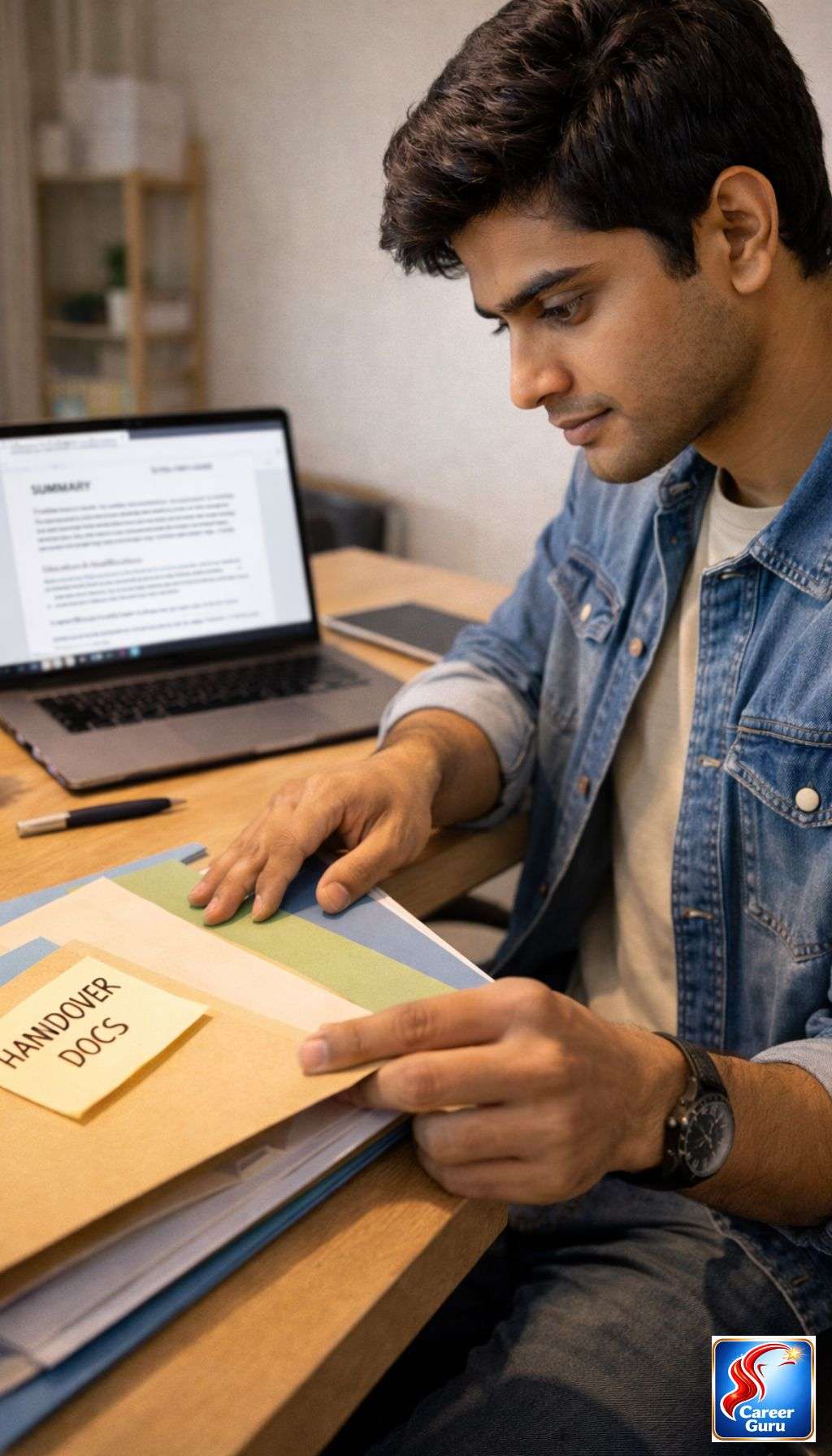
Your last two weeks are your closing statement. Finish everything you started. Document your work properly so the team can pick it up after you leave. Send a clean handover note to your manager. These final impressions stick.
Write a thank-you message to your manager and to the key colleagues you worked with. Keep it genuine and specific — mention something real you learned from them or a moment that stood out. Not a generic “thank you for this opportunity” message that clearly went to ten people. A personal, thoughtful message that shows you were paying attention.
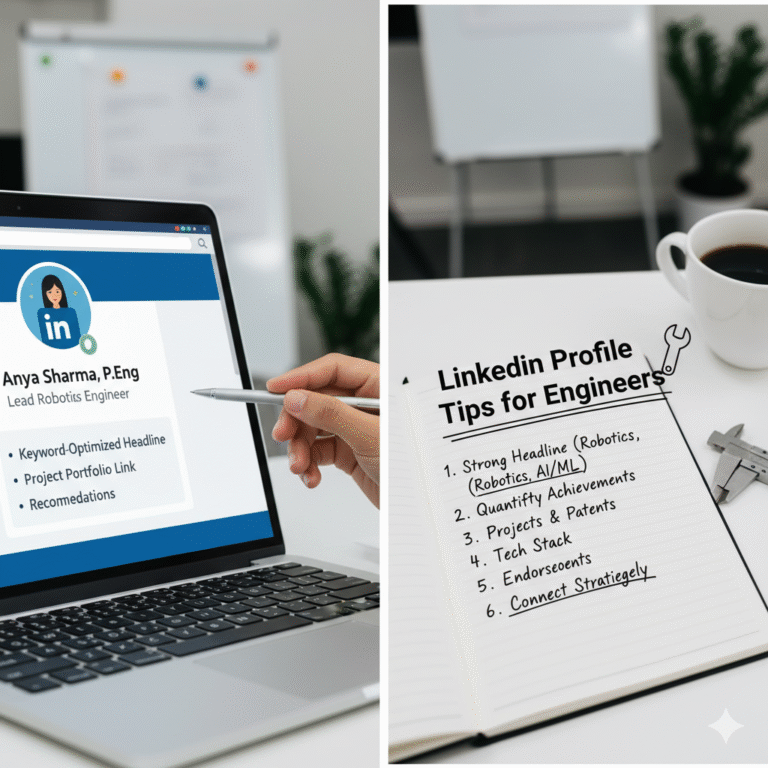
Connect with everyone on LinkedIn before your last day. Not after. After is when people get busy and forget. Send connection requests with a short personal note — not just the default LinkedIn message.
After the Internship — Stay Visible
The internship ending doesn’t mean the opportunity is gone. Many full-time offers come two to four months after an internship ends, especially in India, where hiring cycles take time.
Stay in touch with your manager. A short message once every four to six weeks is enough. Share something relevant — an article about a challenge the team was facing, an update on a project you worked on, or just a brief check-in. Don’t go silent and then reappear only when you need something.
If the company posts a full-time opening that matches your profile, apply immediately and mention your internship in your application. Having an internal reference is one of the strongest advantages in any hiring process.
Internal Links to Read Next
- 📌 Summer Internship for Students in India 2026 — Complete Guide
- 📌 Best Platforms to Find Summer Internships in India 2026
- 📌 How to Write a Resume for an Internship With No Experience in India 2026
- 📌 Common Summer Internship Mistakes to Avoid (Link Mistakes Blog)
- 10 Tips to turn an internship into a full-time job
FAQs — How to Convert Your Summer Internship Into a Full-Time Job in India
Q 1:When is the right time to ask my manager about a full-time role?
Don’t wait until the last week. Around week six or seven of a ten-week internship is ideal. It gives the company enough time to consider your request and go through their internal hiring process before your internship ends.
Q 2: What if the company says there are no full-time openings right now?
Ask if you can stay in touch and follow up after graduation. Ask who the right person to contact would be. Leave professionally and keep the relationship warm. Many offers come months after the internship from companies that had no immediate opening at the time.
Q 3: How important is LinkedIn during and after an internship?
Very important. Connect with your colleagues and manager on LinkedIn before your last day. Stay active on the platform. Comment on industry news. Share what you’re learning. Staying visible keeps you on people’s minds even after the internship ends.
Q 4: Does CGPA matter when a company is deciding whether to offer a full-time role after an internship?
At the internship-to-full-time conversion stage, your performance and attitude during the internship carry far more weight than your CGPA. Companies have already seen how you work. That real-world evidence matters much more than your grades at this point.
Q 5: What if I didn’t perform well during the internship — is the opportunity gone?
Not necessarily. If you recognise it early enough, you still have time to course-correct. Acknowledge the gap, talk to your manager, ask for feedback, and show visible improvement in the remaining weeks. It’s harder to recover, but it’s not impossible. Honest effort in the final stretch is always noticed.
Key Takeaways
- The decision to hire you full-time is usually made in the first three to four weeks — so start strong from day one.
- Relationships matter as much as results. Your manager’s recommendation will carry more weight than your entire project output combined.
- Always do your assigned work well first — then look for ways to contribute more. Initiative impresses. Overstepping doesn’t.
- Ask for feedback at the midpoint and near the end. Apply it visibly. That loop builds more trust than any single task ever will.
- Have the full-time conversation early — around week six or seven. Don’t wait until the last week when decisions are already made.
- Your final two weeks are your closing statement. Finish strong. Document well. Leave a thank-you that’s personal and genuine.
- Stay visible after the internship ends. One message every few weeks keeps the relationship alive and the door open.
Ready to find the right internship to begin this journey? Start with our guide on Summer Internship for Students in India 2026 and take that first step today.